
Expert Roofing Service for Modern Property Protection
Roofing requirements vary significantly between residential homes and commercial buildings due to differences in architecture, load-bearing demands, and usage patterns. Homeowners typically prioritize visual appeal, insulation efficiency, and storm protection, while commercial properties often require durability, fire resistance, ventilation performance, and compliance with stricter structural regulations. A professional roofing service begins by assessing these core variables, identifying what materials and installation methods will produce the most reliable results. This type of technical evaluation supports long-term performance, reduces maintenance costs, and helps property owners make informed decisions instead of reacting to costly damage after leaks, corrosion, or membrane failure develop. As a result, the right contractor can act as both installer and consultant, guiding every stage of the roofing process for better safety and long-term cost control.
Choosing Between Roofing Materials for Superior Performance
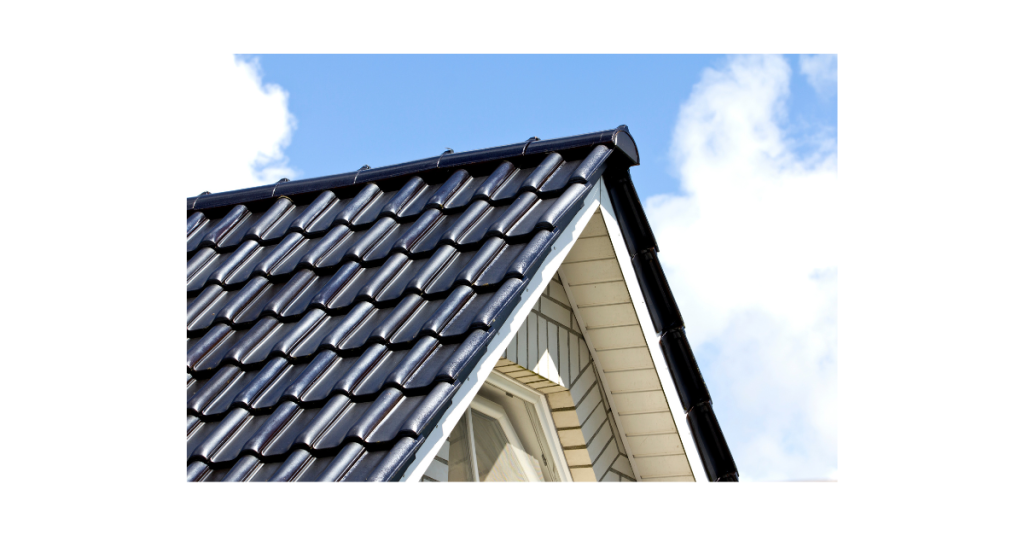
Material selection plays a major role in roof lifespan and functional efficiency. Asphalt shingles remain popular for homes due to affordability, reliable waterproofing, and ease of installation. Metal roofing provides long-term resistance to corrosion and wind damage and offers strong performance in industrial environments. Slate and tile roofs are chosen for their premium longevity and architectural character, though they demand strong substructures to handle added weight. Commercial buildings frequently use EPDM, TPO, or PVC membranes to provide weatherproofing across wide, low-sloped surfaces. When assessing the right approach, experts consider climate, sunlight exposure, thermal expansion, drainage patterns, sound insulation, and fire ratings. The result is a carefully tailored roofing solution designed not only for aesthetics but also for technical performance, regulatory compliance, and energy efficiency.
Importance of Professional Installation Quality
Even premium-grade materials fail prematurely when improperly installed. Skilled roofing technicians ensure correct underlayment layering, flashing integration, sealant application, ventilation routing, and drainage planning, preventing problems such as mold, leaks, and ice dams. Professional installation also ensures compliance with building codes, manufacturer warranties, and safety regulations. Property owners often overlook ventilation during roofing projects, but without balanced airflow, heat and moisture can accumulate in attic spaces, leading to warped wood, reduced insulation efficiency, and shortened roof lifespan. A well-trained crew monitors all these variables and uses job-site quality checks to verify correct alignment, fastening, and sealing. Finally, licensed installers provide documentation and warranties that protect the client financially while extending the lifespan of the roof.
Preventative Maintenance for Extending Roof Lifespan
Routine maintenance is an essential component of responsible property ownership. Commercial facility managers frequently schedule seasonal inspections to detect minor problems before they escalate into costly structural failures. Residential owners benefit from similar diligence, especially in regions with heavy rain, hailstorms, snowfall, or extreme heat. Preventative maintenance tasks include debris removal, gutter clearing, flashing examination, shingle replacement, sealant reinforcement, and moisture detection. Infrared scanning technology can detect hidden leaks beneath membranes without invasive testing, while drone inspections help document rooftop conditions on commercial structures safely and efficiently. Implementing a preventative approach reduces unexpected downtime for businesses, avoids interior water damage, and significantly extends the usable life of roofing systems. Many insurance providers also recommend proactive maintenance to minimize claim disputes following storm events.
Energy Efficiency and Roofing Technology Advancements
Modern roofing systems contribute to improved insulation and energy savings, lowering utility bills and enhancing interior comfort. Cool roofing materials reflect more solar radiation and reduce heat absorption, which is beneficial in warm climates and large commercial facilities. In colder environments, roofing assemblies with optimized insulation reduce heat loss and maintain stable indoor temperatures. Photovoltaic integrations allow roofs to generate renewable energy, transforming roofing spaces into productive assets instead of passive structures. Smart monitoring systems equipped with sensors can track moisture levels, detect leaks, and measure thermal performance, helping property owners plan repairs before visible damage occurs. Together, these advancements demonstrate that roofing is increasingly linked to sustainability, operational efficiency, and long-range cost savings for both homeowners and business operators.
Roofing Services for Weather Damage and Storm Protection
Severe weather remains a major threat to roof integrity. Heavy winds can lift shingles or metal panels, hail can crack tiles and membranes, and prolonged rain can lead to infiltration and mold growth. Roof specialists offer storm protection upgrades such as reinforced flashing, impact-resistant shingles, sealant improvements, and optimized drainage pathways. For coastal regions or zones with intense seasonal storms, enhanced fastening systems and thicker underlayment materials can significantly increase resilience. After a major weather event, timely roof inspection helps verify the extent of damage, supports insurance claims, and prevents delayed deterioration that can compromise structural safety. A responsive roofing contractor therefore becomes an essential partner during seasonal hazards and post-storm recovery, providing documentation and technical assessments that protect clients financially and structurally.
Commercial Roofing Management and Lifecycle Planning
Managing roofing for retail centers, warehouses, and industrial properties requires long-term planning rather than reactive repair scheduling. Commercial facility managers often establish lifecycle budgets that account for periodic repairs, membrane replacements, and coating applications. By structuring capital expenditure over predictable intervals, businesses avoid sudden financial shocks and maintain uninterrupted building operations. Professional contractors support this approach by providing roof condition reports, projected service life estimates, and recommended repair timelines. These services facilitate transparent planning between property owners, insurers, tenants, and compliance authorities. In addition, commercial roofing frequently involves safety protocols related to fall protection, material handling, and hazardous waste disposal, making it critical to partner with trained installers with proven experience in high-risk environments.
Residential Roofing Improvements for Property Value
Residential roof upgrades directly influence curb appeal, home resale value, and buyer confidence. Prospective homebuyers frequently request roof inspection reports and pay close attention to wear, material type, and ventilation quality. An upgraded roof with modern shingles, tiles, or metal panels can dramatically improve aesthetics while signaling reduced maintenance concerns for future owners. In addition, homeowners can add skylights, ridge vents, or architectural accents during re-roofing projects to enhance natural lighting and indoor air quality. Many residential clients also explore sound insulation enhancements using underlayment materials that reduce rain noise on metal roofs or dampen foot traffic sounds in shared building structures. Through these improvements, a professional roofing service becomes a strategic home investment rather than a simple repair expense.
Roof Repairs, Emergency Services, and Leak Detection
Water infiltration remains one of the most destructive yet often unnoticed roofing failures. Small leaks can spread moisture into insulation layers, electrical pathways, wall cavities, and ceiling panels, leading to mold growth, structural degradation, and high remediation costs. Emergency repair services address these issues by identifying breach points, applying temporary sealing measures, and scheduling permanent restoration. Leak detection has evolved substantially, with contractors using moisture meters, core sampling, thermal imaging, and drone mapping to pinpoint damage without dismantling entire sections of roofing. Whether addressing broken tiles, punctured membranes, failed flashing, or deteriorated sealants, specialized repair services help restore structural protection and prevent recurring damage. Having a trusted roofing partner ensures quicker response times and less disruption during urgent situations.
Working With a Reliable Roofing Partner
Selecting the right company for a property’s roofing needs affects performance, budget, and long-term protection. A dependable provider offers transparent cost estimates, detailed material recommendations, clean work practices, and documented warranties. Communication also plays a major role in customer satisfaction, as property owners require clarity around scheduling, weather delays, insurance coordination, and safety procedures. A trusted Roofing service helps homeowners and businesses alike navigate these variables with confidence, focusing on durable results and customer education. When clients understand the reasoning behind material choices and installation techniques, they are better equipped to make cost-effective decisions that serve their property for years.
Advancing Toward Modern Roofing Standards
The roofing industry has transitioned toward higher safety standards, energy-efficient technologies, and innovative materials designed to endure harsher environmental conditions. Regulatory bodies continue to update construction codes to reflect better wind resistance, fire ratings, and insulation values. Contractors who invest in employee training and modern equipment stand out as reliable partners within this evolving landscape. For property owners, working with a professional Roofing service ensures alignment with recognized best practices and reduces the potential for premature system failures. By combining quality materials, expert installation, preventative maintenance, and transparent lifecycle planning, roofing systems can provide decades of dependable protection, structural integrity, and financial value for both residential and commercial properties.